Build and launch a browser game with Claude Code — no coding experience required
Start from a working platformer, remix it into your own game, then push it live with GitHub and Vercel. You learn by building something you can play and share — not by watching lectures.

Joel MacDonald, 8+ years shipping products. Built this course so you can go from idea to live app with Claude, no engineering background required.
One-time payment · increases to $97 at open enrollment
“I put the game on a live URL and texted it to my family. My sister played the level I built on her phone. I still do not write code. I just kept prompting until something real was on the internet.”
What you'll build
Your finished project isn't just a certificate. It's a link.
You'll build something similar to this. Not a fully polished game, but something that gives you the feedback you want, gets you comfortable prompting, and ships to a real URL you can share. You can always tweak it and polish it later if you want. After the course, you'll have the skills to do exactly that.
- A playable platformer you customized
- Git repo on GitHub (your code, your history)
- Live deployment on Vercel (yourgame.vercel.app)
- The exact workflow to build project #2
Similar to what you'll build in the course: playable, improvable, not a AAA title.
The Problem
You've tried to learn coding before. It didn't stick.
Tutorials make you install before you see anything work
Twelve tools, three terminals, zero payoff. You quit before the fun part because nobody showed you a result first.
AI tools assume you already code
Great if you know what a repo is. Useless if you don't. You are not bad at tech — the tools were built for engineers, not beginners.
Websites feel abstract. Games give instant feedback.
Hard to tell if you are making progress on a landing page. Change a jump height and you feel it in two seconds. That is why we start with a game.
The Solution
Learn by shipping one real project end to end
Start with a game that already works
You remix a browser platformer — you do not start from a blank screen. Every module ends with something playable in your browser.
Claude writes the code. You steer.
Describe what you want in plain English. Claude Code makes the change. You learn the workflow, not syntax memorization.
Publish before you feel ready
Git, GitHub, and Vercel are part of the build — not a separate course. You finish with a live URL you can text to friends.
After you finish
What changes when you ship your first game
Prompt Claude Code to add game features without memorizing syntax
Debug broken code by describing what went wrong
Use Git to save progress and undo mistakes
Push your project to GitHub and deploy to Vercel on your own
Share a live game URL anyone can play in their browser
Reuse the same workflow to start your next project
The game is the proof. The workflow is the skill.
The build path
11 modules. One game. One live URL.
Every module ends with something working in your browser — not a quiz.
33
Lessons
11
Units
Early reactions
What students who shipped a game are saying
Real feedback from free-lesson completers and enrolled students. No fabricated titles. Just what people said after they shipped something.
Maya
Explorer student
“I shipped two changes in the free lesson and had a working browser game on my screen in fifteen minutes. Not a tutorial. Something I could actually play.”
Chris
Explorer student
“Every other course had me installing five tools before I saw anything work. This one had a game on screen in two minutes.”
Jordan
Explorer student
“I put the game on a live URL and texted it to my family. My sister played the level I built on her phone. I still do not write code. I just kept prompting until something real was on the internet.”
Enroll today
Start the Explorer (Beginner) course today
First 30 students get founding member pricing - our lowest-ever rate. Lifetime access.
Build and launch your first game
Early access price - increases to $97 after launch
- Ship a real browser game (playable in any browser)
- 33 step-by-step lessons across 9 modules
- Start from a working platformer and remix it into your own game
- Learn prompting, animations, debugging, and game feel with Claude
- Publish your game live on the internet (GitHub + Vercel walkthrough)
- Free Claude tier is enough to complete the course (no paid plan required)
- Private community for feedback on your build
- Lifetime access & updates
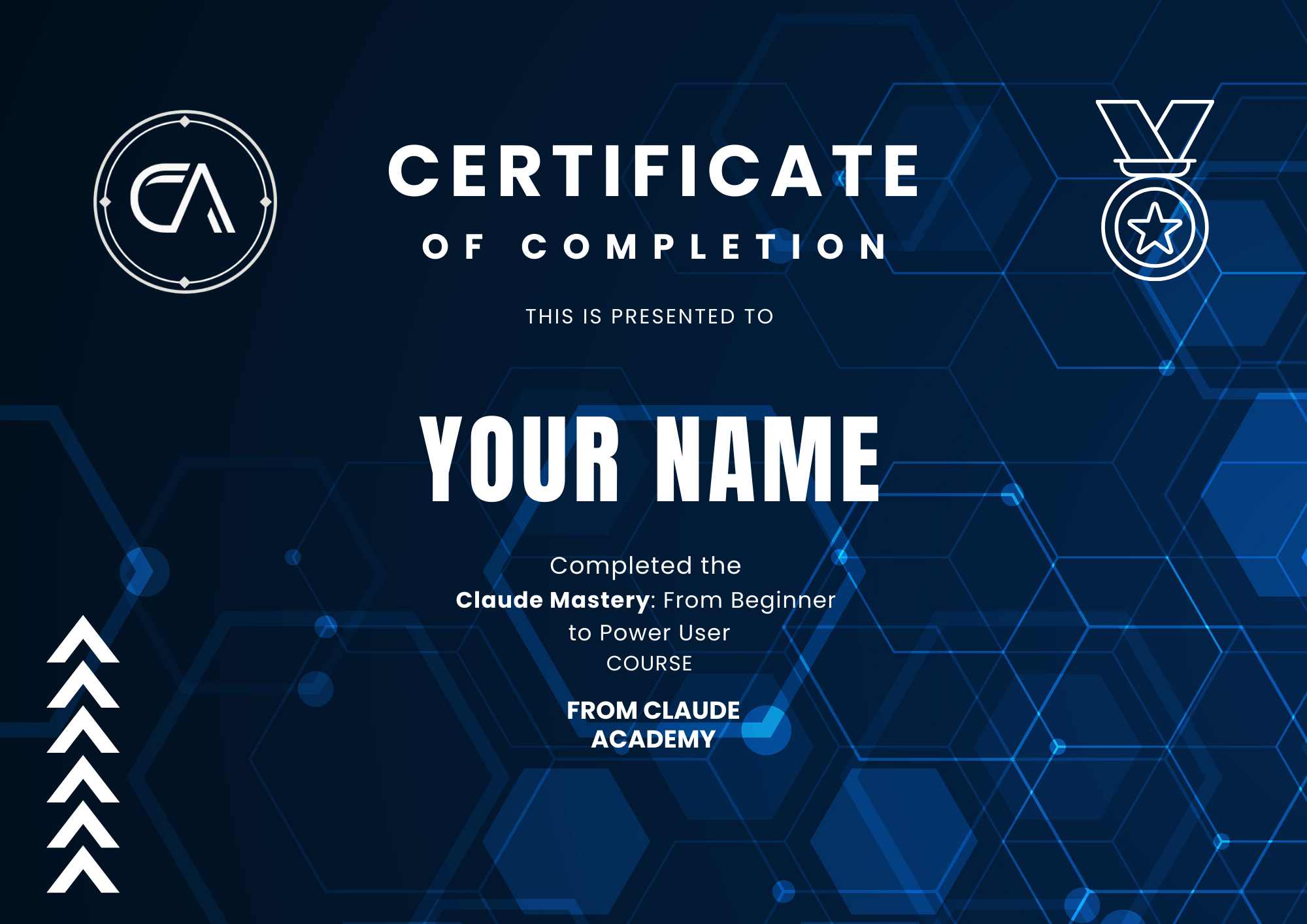
- Certificate of completion
14-day Publish or Pass guarantee
Complete Modules 1–3 and do not have a playable game in your browser? Email us for a full refund.
Secure checkout via Stripe. Lifetime access.
FAQ
Questions before you enroll
No coding background? No problem. Here is what people ask before they start.
Yes. The practical lessons assume you can run Claude Code on your machine. Anthropic bills Claude Code separately (about $20 per month at the time of this writing; they can change pricing). This course fee does not include that subscription. If you are not subscribed yet, plan to sign up before you begin the hands-on modules.
No. Explorer is built for beginners. If you can describe what you want in plain English, you can take the course. Claude Code writes the code — you learn to direct it, debug with it, and ship with Git and Vercel.
A browser platformer game — movement, enemies, scoring, polish — that you customize and deploy to a public URL on Vercel. You start from a working starter game and remix it step by step.
Most students get a playable game in their first session. The full build-and-deploy path typically takes 2–4 weeks at a few hours per week — faster if you binge, fine if you go slow.
A computer (Mac, Windows, or Linux), Claude Code, a free GitHub account, and a free Vercel account. Module 1 walks you through setup step by step.
14-day Publish or Pass guarantee. Complete Modules 1–3 and do not have a playable game in your browser? Email us for a full refund. We would rather you ship than stay stuck.
More answers on the full FAQ page.
Certificate
Earn a Claude Pioneer Certificate
Yes, you get a completion certificate. But the real outcome is a gateway to building polished, professional apps: workflows, judgment, and shipping habits you keep long after the badge. The credential proves you finished; the skills are what let you deliver products people trust.
What you earn
A verified certificate plus a clear record of everything you covered, so you can point to real Claude Code workflows, not just a line on a résumé. It reflects a path from fundamentals to shipping full-stack projects you'd be proud to show.
Why it matters
Recruiters and collaborators still love a shareable credential, but what opens doors is demonstrating you can produce consistent, production-quality work. This program is structured so the certificate marks the start of how you build, not the end of a checkbox.